
Complete Guide to Sigiriya Lion Rock: Everything You Need to Know Before Visiting Sri Lanka’s Iconic UNESCO World Heritage Site (2026)
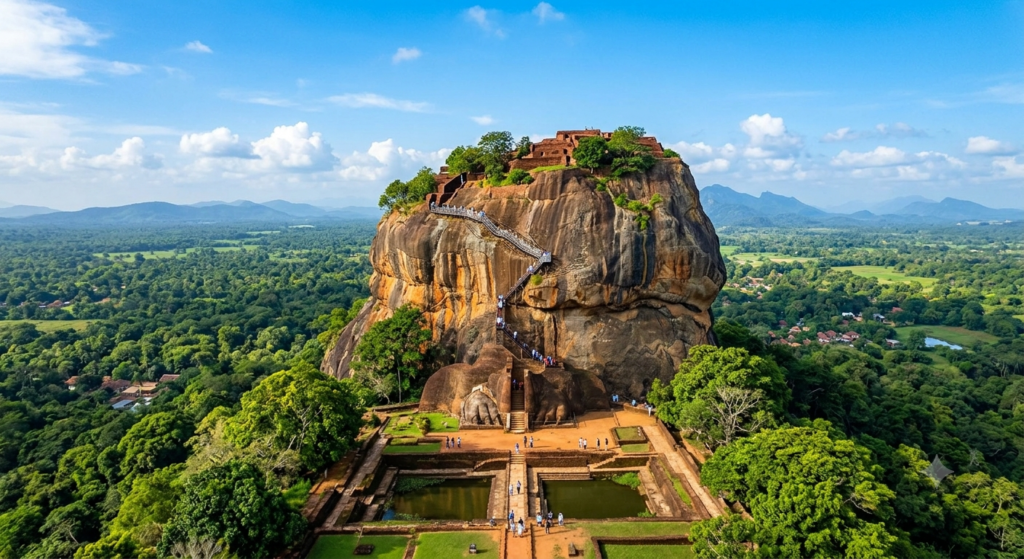
Article Outline Complete Guide to Sigiriya Lion Rock What is Sigiriya Lion Rock? Rising dramatically above the lush forests of central Sri Lanka, Sigiriya Lion Rock is one of the world’s most spectacular archaeological sites. Standing approximately 180–200 meters above the surrounding plains, this ancient rock fortress has become the country’s most recognized landmark and one of Asia’s greatest historical attractions. Designated as a UNESCO World Heritage Site, Sigiriya welcomes hundreds of thousands of visitors every year who come to admire its remarkable engineering, ancient frescoes, royal gardens, and breathtaking panoramic views. Often called the “Eighth Wonder of the World,” Sigiriya is far more than a giant rock. It represents an extraordinary combination of architecture, landscape design, urban planning, hydraulic engineering, and artistic achievement dating back over 1,500 years. Built during the reign of King Kashyapa I (477–495 AD), the fortress was designed as a secure royal palace that blended seamlessly with nature while providing strategic protection from enemies. Today, visitors climb approximately 1,200 steps to reach the summit, passing through magnificent water gardens, ancient graffiti-covered walls, colorful frescoes, and the famous Lion Terrace before arriving at the ruins of the royal palace. For travelers exploring Sri Lanka’s famous Cultural Triangle, Sigiriya is considered an absolute must-visit destination. Whether you’re passionate about history, photography, adventure, or simply unforgettable scenery, this incredible landmark offers an experience unlike anywhere else in the world. Why Sigiriya is Famous Around the World There are many reasons why Sigiriya Lion Rock consistently ranks among the top tourist attractions in Sri Lanka and remains one of South Asia’s most visited historical sites. Unlike many ancient ruins, Sigiriya combines several extraordinary features within a single destination. Visitors can experience beautifully landscaped water gardens, climb through massive granite boulders, admire centuries-old frescoes, walk alongside the polished Mirror Wall, stand beneath enormous lion paws carved into the rock, and finally reach a palace built on top of a towering monolith. One of Sigiriya’s most fascinating characteristics is its advanced engineering. Archaeologists continue to admire its sophisticated hydraulic system, which supplied water throughout the palace complex and ornamental gardens. Some of the ancient fountains still function during the rainy season, showcasing the remarkable skills of Sri Lanka’s ancient engineers. This blend of architecture and nature has helped Sigiriya earn worldwide recognition among historians, architects, photographers, and travelers alike. The panoramic views from the summit are another reason visitors consistently describe Sigiriya as the highlight of their Sri Lankan journey. On clear days, the surrounding forests, lakes, villages, and distant mountain ranges create an unforgettable landscape stretching in every direction. The Fascinating History of Sigiriya The story behind Sigiriya is as dramatic as the fortress itself. During the late 5th century AD, Prince Kashyapa seized the throne after overthrowing his father, King Dhatusena. Fearing retaliation from his brother Moggallana, the rightful heir, Kashyapa abandoned the ancient capital and established a heavily fortified palace atop the massive Sigiriya rock. The isolated granite monolith provided both natural protection and an ideal location for constructing one of the most ambitious royal residences in ancient Asia. Under King Kashyapa’s rule, Sigiriya transformed into an architectural masterpiece. Skilled craftsmen built symmetrical gardens, elaborate water systems, defensive moats, impressive gateways, and luxurious royal residences. The entrance featured an enormous lion-shaped structure, giving rise to the name “Lion Rock.” While the lion’s body has disappeared over time, its gigantic paws remain one of the site’s most photographed attractions. Following King Kashyapa’s defeat in 495 AD, Sigiriya gradually lost its role as a royal capital. Buddhist monks later converted the site into a monastery, preserving many of its structures for centuries. Modern archaeological excavations have revealed the extraordinary sophistication of the ancient city, confirming Sigiriya’s importance as one of the greatest surviving examples of early urban planning in South Asia. Top Attractions Inside Sigiriya Lion Rock A visit to Sigiriya Lion Rock is much more than climbing a staircase to a viewpoint. Every section of this ancient fortress reveals another chapter of Sri Lanka’s rich history and demonstrates the extraordinary vision of King Kashyapa’s architects. From beautifully landscaped gardens at the base to the magnificent palace ruins on the summit, each attraction has been carefully designed to impress visitors even after more than 1,500 years. The journey begins with the royal gardens, considered among the oldest landscaped gardens in the world. As you continue upward, you’ll encounter giant boulders, secret pathways, colorful frescoes, the famous Mirror Wall, and finally the massive Lion Terrace that guards the entrance to the summit. Each stop offers incredible photography opportunities while telling the fascinating story of one of Asia’s greatest ancient civilizations. Many travelers spend around 2.5 to 4 hours exploring the entire archaeological complex. Taking your time is highly recommended because every section contains hidden details that many visitors overlook when rushing to the top. The Water Gardens The Water Gardens are the first major attraction visitors encounter after entering the Sigiriya Archaeological Park. These gardens are widely regarded as one of the finest examples of ancient landscape architecture anywhere in Asia. Designed with remarkable precision, the gardens feature symmetrical ponds, fountains, islands, canals, and stone pathways that create a peaceful atmosphere long before visitors begin climbing the rock itself. One of the most fascinating aspects of the Water Gardens is their sophisticated hydraulic engineering. Despite being built in the 5th century, many fountains still function naturally during the rainy season. Underground channels and reservoirs distribute water throughout the complex without the use of modern technology, demonstrating the remarkable knowledge possessed by ancient Sri Lankan engineers. This ingenious water management system continues to attract archaeologists and engineers from around the world. The gardens also served practical purposes beyond their beauty. They helped cool the surrounding environment, supplied water to the royal palace, and created an impressive entrance worthy of a king’s residence. Today, visitors often pause here to admire the tranquil scenery, photograph the reflection of Sigiriya Rock in the ponds, and appreciate the peaceful surroundings before beginning the more physically