
Things to Do in Kandy, Sri Lanka – Ultimate Travel Guide for 2026
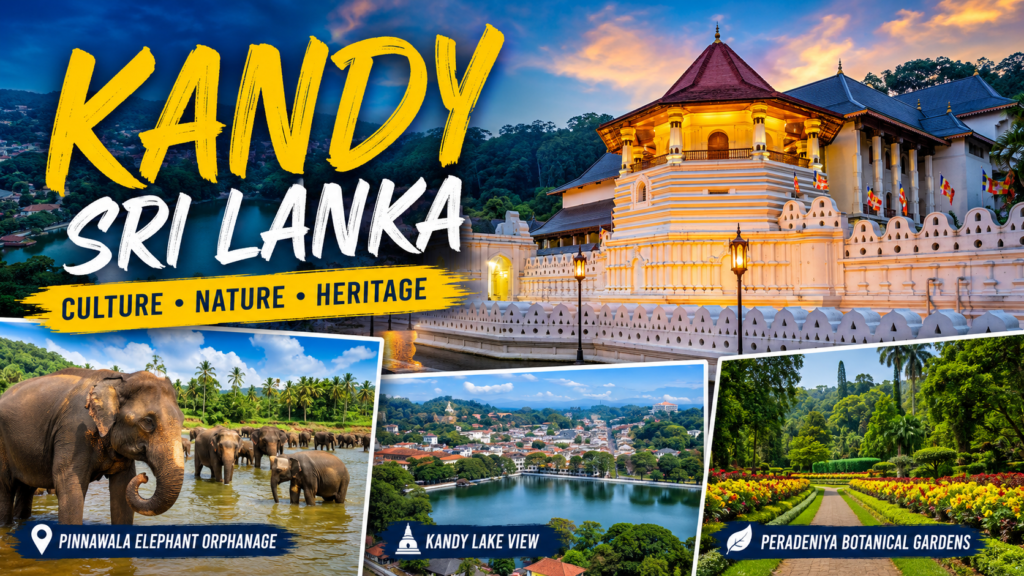
Introduction Kandy is not just another beautiful city in Sri Lanka. It is the cultural heartbeat of the island, wrapped in misty hills, ancient temples, colonial charm, sacred traditions, colorful markets, and unforgettable scenery. Nestled in the central highlands, this UNESCO-listed destination attracts travelers looking for spirituality, history, nature, food, adventure, and authentic Sri Lankan experiences all in one place. Tourism in Sri Lanka continues to grow rapidly, with the country recording more than 2.36 million tourist arrivals recently, the highest in its history. Kandy remains one of the most visited cities because it perfectly blends heritage, religion, and modern travel experiences. Whether you are traveling solo, planning a romantic honeymoon, backpacking through Asia, or creating a family vacation itinerary, Kandy offers something memorable at every corner. Article Outline Why Kandy Is One of Sri Lanka’s Most Popular Tourist Destinations Kandy feels like a city suspended between the past and present. One moment you are walking beside a peaceful lake surrounded by colonial-era buildings, and the next moment you are stepping into centuries-old Buddhist temples filled with incense, drums, and rituals. Unlike Colombo’s busy urban energy or Ella’s backpacker atmosphere, Kandy delivers a slower and more spiritual travel experience. That unique atmosphere is exactly why millions of tourists include Kandy in their Sri Lanka itinerary every year. The city sits among green mountains in Sri Lanka’s Central Province, giving it cooler temperatures than many coastal destinations. Travelers often describe Kandy as the soul of Sri Lankan culture because it protects some of the country’s most sacred religious and historical treasures. UNESCO recognized Kandy as a World Heritage Site due to its enormous cultural significance, and the city continues to preserve traditions dating back hundreds of years. Kandy is also strategically located for tourists exploring the hill country. It serves as a gateway to Ella, Nuwara Eliya, Sigiriya, and the tea plantations that made Sri Lanka world famous. Modern tourism trends show that travelers increasingly prefer experiential tourism over traditional sightseeing, and Kandy fits perfectly into that shift. Visitors can participate in Buddhist ceremonies, explore spice gardens, drink authentic Ceylon tea, ride scenic trains, and experience local street food within a single day. Cultural Importance of Kandy Kandy was the last royal kingdom of Sri Lanka before British colonization. Because of that, many ancient customs, dances, architecture styles, and Buddhist rituals survived here when they disappeared elsewhere. The city remains deeply connected to Theravada Buddhism, making it one of the holiest places for Buddhists worldwide. Best Time to Visit Kandy The best months to visit Kandy are December through April when the weather is generally pleasant and rainfall is lower. August is especially popular because of the famous Esala Perahera Festival, though accommodation prices rise quickly during this season. Temple of the Sacred Tooth Relic The most iconic attraction in Kandy is undoubtedly the Temple of the Sacred Tooth Relic, known locally as Sri Dalada Maligawa. This sacred Buddhist temple houses what is believed to be a tooth relic of Lord Buddha, making it one of the holiest Buddhist sites on Earth. Travelers from across Asia and beyond visit this temple not only for sightseeing but also for spiritual connection and religious devotion. Walking into the temple complex feels almost cinematic. Traditional Kandyan drummers perform rhythmic beats while the scent of lotus flowers and incense fills the air. Gold decorations, ancient carvings, and ceremonial halls create a deeply spiritual atmosphere. Even travelers who are not religious often say this place leaves a lasting emotional impression because of the energy and reverence surrounding it. The temple is particularly beautiful during evening prayer ceremonies. Crowds gather quietly while monks chant sacred verses, creating a peaceful environment rarely found in modern tourist destinations. Visitors should dress modestly because this is an active place of worship, not simply a museum or tourist attraction. Photography is allowed in many sections, but respectful behavior is essential. Sacred History and Religious Importance According to Sri Lankan history, the sacred tooth relic arrived from India in the 4th century and became a symbol of royal authority. Whoever protected the relic was believed to hold the legitimate right to rule the country. That connection between religion and monarchy explains why Kandy became so historically important. Royal Botanic Gardens Peradeniya The Royal Botanic Gardens Peradeniya is one of the most beautiful botanical gardens in Asia. Spread across more than 147 acres, the gardens showcase thousands of tropical plants, orchids, palm trees, medicinal herbs, and exotic flowers. Located just outside Kandy city, this attraction offers a refreshing escape from busy streets and crowded tourist spots. The gardens were originally reserved for Kandyan royalty before being transformed during the British colonial era. Today, travelers spend hours wandering through tree-lined pathways, relaxing beside giant bamboo groves, and photographing colorful flower collections. Couples particularly love this place because the scenery feels romantic and peaceful, almost like stepping into a tropical fairytale. One of the most famous areas is the palm avenue, where towering palm trees create a dramatic natural tunnel. The orchid house is another major highlight, displaying rare orchid species in vibrant colors. Nature lovers, photographers, and families all find something special here because the gardens combine science, beauty, and tranquility in a unique way. Exotic Plants and Orchid Collections The gardens contain more than 4,000 plant species, including rare orchids and giant Javan fig trees. Some trees were planted by international leaders and royals over the decades, adding historical significance to the landscape. The Church of St Paul The Church of St Paul stands quietly near the Temple of the Tooth Relic and represents Kandy’s colonial Christian heritage. Built during the British period, this Anglican church offers a fascinating contrast to the surrounding Buddhist landmarks. Its Gothic architecture, stained-glass windows, and peaceful interior create a calm atmosphere ideal for reflection. Many tourists overlook this church because they focus mainly on Buddhist attractions, but visiting it reveals another layer of Kandy’s multicultural identity. The church features elegant wooden interiors and historical memorial plaques