
Temple of the Sacred Tooth Relic, Kandy Sri Lanka
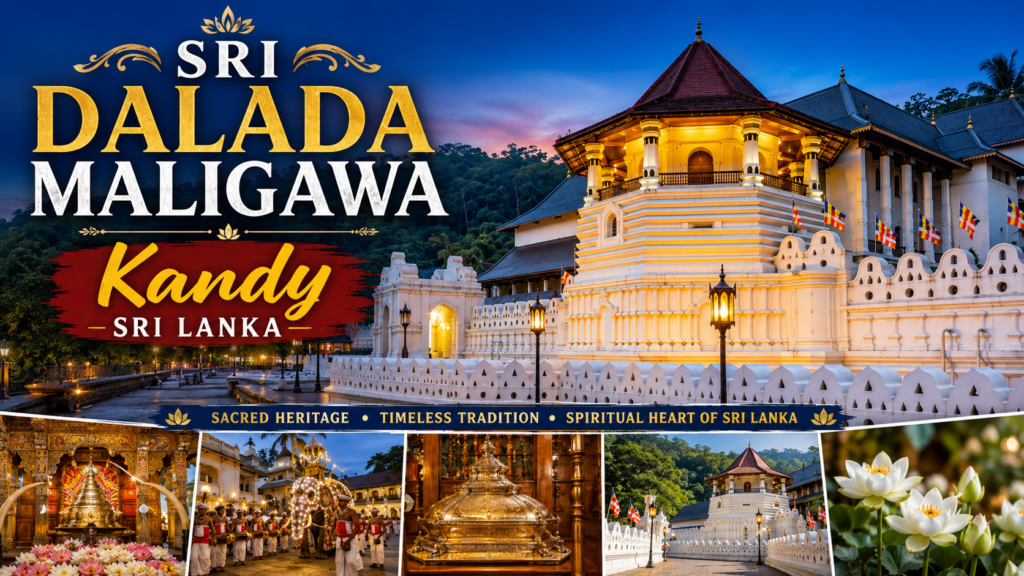
Article Outline Temple of the Sacred Tooth Relic, Kandy Sri Lanka – The Sacred Heart of Buddhism and Sri Lankan Heritage Introduction to Sri Dalada Maligawa Nestled in the misty hills of Kandy, the Temple of the Sacred Tooth Relic, also known as Sri Dalada Maligawa, stands as one of the most sacred Buddhist temples in the world. For centuries, this magnificent temple has attracted pilgrims, historians, photographers, spiritual seekers, and travelers from every corner of the globe. The temple houses what Buddhists believe to be the left canine tooth relic of Lord Buddha, making it the spiritual heartbeat of Sri Lanka. Walking through the temple grounds feels like stepping into a living museum where religion, culture, architecture, and history blend together like colors in a Kandyan painting. Kandy itself is often called the cultural capital of Sri Lanka, but the Temple of the Tooth Relic is the soul of the city. Every day, thousands of devotees dressed in white arrive carrying lotus flowers and incense sticks as offerings. The rhythmic sound of traditional Kandyan drums echoes through the halls during prayer ceremonies, creating an atmosphere that feels both powerful and peaceful. The temple is not simply a tourist attraction; it is a living spiritual center deeply connected to Sri Lankan identity. According to recent visitor reports and temple tourism updates, the site continues to receive massive crowds, especially during special relic exhibitions and religious festivals. Why the Temple is Famous Worldwide The fame of the Temple of the Sacred Tooth Relic goes far beyond Sri Lanka. Buddhists across Asia consider it one of the holiest places in the Buddhist world. The sacred relic symbolizes not only religious devotion but also royal authority. Ancient Sri Lankan kings believed that whoever protected the tooth relic had the divine right to rule the country. That belief transformed the relic into both a spiritual treasure and a political symbol for centuries. International travelers are drawn to the temple because it offers something deeper than ordinary sightseeing. It is a place where ancient traditions still breathe. Visitors can witness authentic Buddhist rituals, admire royal Kandyan architecture, and experience a spiritual environment unlike anywhere else in South Asia. Travel guides published in 2025 continue to rank the temple among the top must-visit attractions in Sri Lanka because of its cultural significance and breathtaking setting near Kandy Lake. Importance to Sri Lankan Culture and Buddhism For Sri Lankans, the Temple of the Tooth Relic is much more than a historical monument. It represents the island’s Buddhist heritage, national pride, and centuries-old traditions. Major religious ceremonies, national blessings, and sacred processions revolve around this temple. Many locals visit the temple regularly to seek blessings before important life events such as exams, marriages, or business ventures. The temple also preserves ancient art forms, music traditions, and ceremonial customs that continue to thrive today. From temple drummers to traditional dancers during the Esala Perahera, every ritual reflects Sri Lanka’s rich cultural identity. UNESCO recognized the Sacred City of Kandy as a World Heritage Site in 1988 because of the temple’s immense cultural and historical value. History of the Temple of the Sacred Tooth Relic The story behind the Temple of the Tooth Relic reads almost like an epic adventure novel. According to Buddhist chronicles, after the cremation of Lord Buddha in India, one sacred tooth relic was preserved. In the 4th century CE, Princess Hemamali and Prince Dantha secretly carried the relic to Sri Lanka, hiding it in the princess’s hair to protect it from enemies. This daring journey transformed Sri Lankan history forever because the relic eventually became the symbol of sovereignty for Sinhalese kings. As different kingdoms rose and fell across Sri Lanka, the relic traveled with the rulers. It moved from Anuradhapura to Polonnaruwa and later through several royal capitals before finally arriving in Kandy. By the late 16th century, Kandy became the final royal stronghold against colonial powers, and the relic was enshrined there permanently. King Vimaladharmasuriya I built the first temple structure specifically to protect the sacred relic. Successive Kandyan kings expanded and beautified the temple, adding intricate carvings, decorative halls, and ceremonial chambers. The Arrival of the Sacred Tooth Relic in Sri Lanka The arrival of the sacred relic in Sri Lanka is one of the most treasured legends in Buddhist history. Ancient texts describe how the relic crossed the ocean during a time of political turmoil in India. The story symbolizes faith overcoming danger and preservation of Buddhism during uncertain times. This dramatic journey still inspires pilgrims today because it represents devotion, courage, and spiritual protection. The relic’s presence transformed Sri Lanka into a major center of Theravada Buddhism. Kings built elaborate palaces and temples around it, while monks established sacred traditions connected to relic worship. Even now, the relic is rarely displayed publicly, which increases its mystery and spiritual significance. Special public exhibitions of the relic attract hundreds of thousands of devotees, as seen during the massive 2025 exposition in Kandy. Kandyan Kings and the Temple’s Royal Legacy The Kandyan Kingdom protected Sri Lankan independence for centuries while European colonial powers controlled coastal regions. During this period, the Temple of the Tooth became closely tied to royal authority. Kings considered themselves guardians of Buddhism and protectors of the relic. The temple complex was connected directly to the royal palace, showing the inseparable link between religion and governance. Architectural additions such as the famous octagonal pavilion, known as the Patthirippuwa, reflected royal grandeur and Kandyan artistic excellence. Even after the British captured Kandy in 1815, the temple remained a powerful symbol of Sri Lankan identity. Unlike many colonial conquests where sacred artifacts were removed, the relic stayed in Sri Lanka, preserving its spiritual continuity. UNESCO World Heritage Status The Temple of the Sacred Tooth Relic forms the centerpiece of the Sacred City of Kandy, which UNESCO declared a World Heritage Site in 1988. UNESCO recognized Kandy because of its extraordinary cultural traditions, religious importance, and preservation of Sri Lankan civilization. The